.webp)

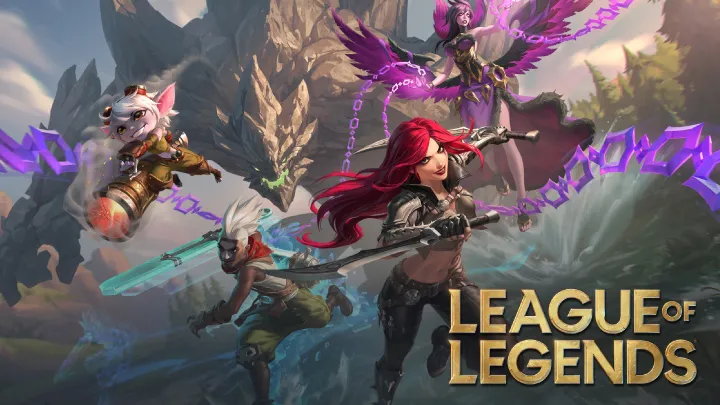
League of Legends (LoL) has emerged as one of the most popular multiplayer online battle arena (MOBA) games worldwide, boasting millions of active players. However, alongside its popularity, the game has faced a significant challenge: toxicity within its community. This article examines the complex issue of toxic behavior in League of Legends, analyzing its causes, impacts on players, the effectiveness of Riot Games' interventions, and potential solutions to foster a more positive gaming environment.
The Nature of Toxicity in League of Legends
Defining Toxic Behavior
Toxicity in League of Legends encompasses a range of negative behaviors that detract from the gaming experience. These include:
- Flaming: Insulting or harassing fellow players.
- Inting: Intentionally feeding the enemy team to undermine game goals.
- Negative Attitude: Expressing despair or frustration that influences team morale negatively.
As a team-based game, LoL requires cooperation, and toxic behavior not only disrupts this cooperation but can also lead to a toxic spiral affecting the entire match.
Historical Context of Toxicity
Toxicity in online games, particularly within competitive environments, has existed since the inception of multiplayer gaming. However, League of Legends, with its intense competitive scene, has seen this issue reach alarming levels. Reports from players over the years have highlighted that a significant portion of the community has encountered toxic interactions, sparking calls for effective solutions.
Impact on the Community
Mental Health Consequences
The impact of toxicity extends beyond in-game experiences. Studies suggest that exposure to toxic behavior in online games can significantly affect players' mental health, leading to issues like anxiety, depression, and burnout. Players often design their gaming experiences to be enjoyable; encountering hostility undermines that objective and can result in a negative feedback loop.
Effect on Player Retention
From a business standpoint, toxicity poses a threat to player retention. New players, who may be inexperienced and less equipped to handle toxic behavior, might be discouraged from continuing to play after negative experiences. A toxic community can drive away casual players, affecting the game's overall ecosystem and growth.
Riot Games' Response to Toxicity
Initial Measures and Reporting Systems
Recognizing the importance of maintaining a healthy gaming environment, Riot Games implemented a Reporting System that enables players to report toxic behavior directly. The system encourages players to take action against misconduct by providing a straightforward method to report players for harassment, toxicity, or unsportsmanlike behavior.
Behavioral Systems and Player Feedback
In addition to reporting, Riot has created behavioral systems designed to promote positive reinforcement. Players exhibiting good behavior can be rewarded with honor, which positively contributes to a player's reputation within the community. This dual approach seeks to both punish negative behavior and encourage positive interactions, but its effectiveness remains a topic of debate.
Challenges in Enforcement
Weighted Punishment Systems
Riot Games has employed a weighted punishment system where players who exhibit repeat toxicity are subject to increased penalties, including chat restrictions, temporary bans, and permanent account bans. However, the challenge lies in accurately determining the difference between "bad games" and genuine toxicity, leading to concerns about potential misjudgments affecting players who might not fit a toxic profile.
The Rise of Smurfing and Its Effects
The practice of "smurfing," where experienced players create new accounts to play against less skilled opponents, exacerbates toxicity. Smurfing can lead to frustration among new players, who face veteran players who dominate the experience. Often, smurfers may exhibit toxic behavior, knowing they are less likely to face consequences on a new account. This results in newcomers experiencing heightened levels of toxicity from players who should ideally be acting as mentors.
The Role of Community Initiatives
Player-Led Organizations and Movements
In response to the toxic atmosphere, players have taken the initiative to create organizations and movements aimed at promoting positivity within the community. Initiatives such as "League of Legends: Positive Community" on platforms like Reddit encourage players to share their positive experiences, provide support, and reward good behavior among peers.
Educational Content and Personal Narratives
Content creators on platforms like YouTube and Twitch play an important role in combating toxicity. By sharing personal experiences and educational content about promoting positive gameplay, these influencers can offer players strategies to handle toxicity and maintain a constructive attitude. Their outreach can potentially inspire change within the community, leading to a healthier gaming environment.
The Importance of Mental Health Awareness
Addressing Emotional Well-Being
As toxicity in League of Legends can lead to serious mental health conflicts, it is essential to address emotional well-being within the gaming community. Creating awareness about mental health and providing resources for players can help players navigate difficult moments in gaming without succumbing to toxic behavior.
Support Groups and Platforms
Riot Games, alongside community initiatives, can pursue partnerships with mental health organizations to provide resources and support groups for players affected by toxicity. Such initiatives could allow players to share their experiences, seek guidance, and learn coping strategies, ultimately fostering a supportive community.
Ongoing Solutions and Future Directions
Enhanced Reporting and Moderation Tools
Riot Games continues to explore enhanced reporting and moderation tools that utilize machine learning and AI to identify toxic behavior in real time. These technologies can provide insights into player interactions and help moderators filter out toxicity more efficiently.
Community Engagement and Feedback
Player involvement in shaping community guidelines is paramount for fostering a healthier gaming environment. Encouraging community feedback on proposed changes and showcasing successful players who exhibit positive behavior can build trust between developers and the player base, leading to increased adherence to community standards.
The Future of League of Legends and Toxicity
Proactive Measures
For League of Legends to thrive as a community-centric game, proactive measures must be taken to address toxicity. This includes ongoing research into player behavior patterns, community safety initiatives, and collaborations with mental health organizations.
A Commitment to Positive Play
Finally, a commitment to cultivating a culture of respect, inclusion, and sportsmanship must become a foundational value. Through continuous dialogue, active engagement, and education, League of Legends has the potential to transform its community into one where competition and camaraderie coexist harmoniously.
Conclusion
The challenge of toxicity within League of Legends represents a multifaceted issue that requires collaborative efforts from both the developers and the player community. While Riot Games has implemented various measures to combat toxic behavior, a more robust approach—incorporating player feedback and proactive solutions—will be necessary to create a healthier gaming environment. By prioritizing respect and positive gameplay, League of Legends can continue to develop as a beloved title that fosters camaraderie rather than contention.