







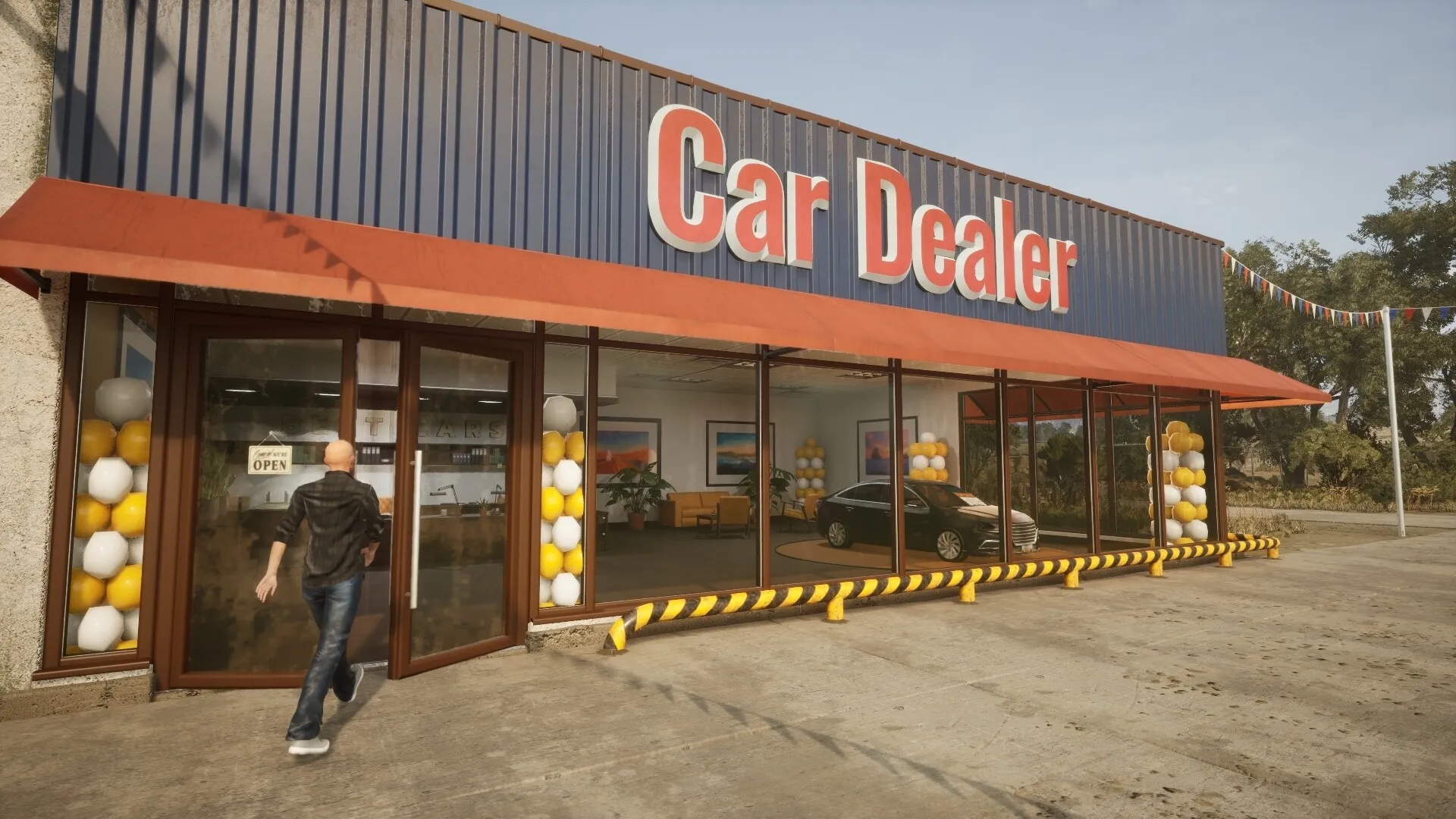
Car Dealer Simulator places you in the role of an ambitious dealership owner navigating buying, repairing, pricing, marketing, and selling vehicles for maximum profit. This game emphasizes strategic negotiation, smart investment, customer psychology, and efficient operations. This comprehensive guide breaks down the game into 10 logical stages, providing insights for beginners and advanced players who want to build a profitable dealership empire.
- Understanding the Core Gameplay Loop
- At its heart, Car Dealer Simulator focuses on the flow of buying cheap cars, fixing them, and selling them high. The basic gameplay cycle revolves around market research, vehicle assessment, repair decisions, and closing deals. Players who master this loop will automatically scale faster and outperform AI competitors.
- The early stages require careful budgeting and avoiding risky investments. Instead of buying every cheap car, you must assess long-term profit potential based on repair costs, model popularity, and condition. This is where many beginners lose money—overpaying for cars that cannot generate profit.
- Once you understand how the loop functions, scaling becomes easier. You can reinvest profits into better vehicles, expand your showroom, and hire staff to improve productivity.
1.1 The Four-Step Dealership Cycle
- Search and buy
- Repair and upgrade
- Price and negotiate
- Sell and expand
1.2 Early Game Priorities
Focus on budget cars, avoid rare luxury vehicles, and maximize profit margins.
- Choosing the Right Cars to Buy
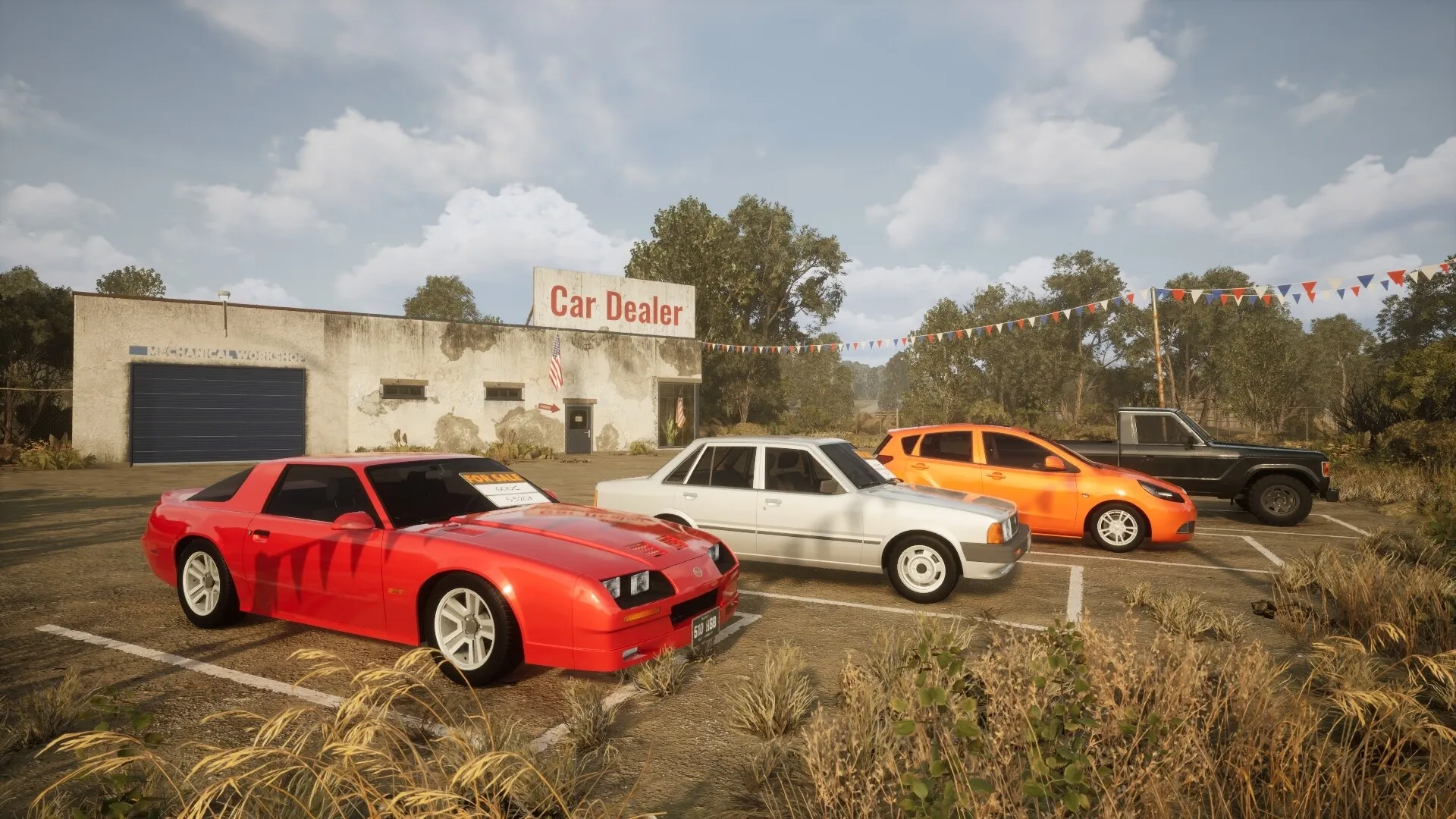
- Not all vehicles are equal. Some models guarantee steady demand, while others are niche and risky. Successful players evaluate each car’s condition, popularity score, and hidden repair costs before committing.
- Cheap cars with mild damage often yield the highest return because repair parts are affordable and the market demand is consistent. High-end vehicles, although profitable, come with unpredictable repair bills that can destroy your margins if miscalculated.
- Understanding depreciation and desirability allows you to strategically build a portfolio of cars that sell quickly
2.1 What Makes a Car Worth Buying
Models with high demand, low repair needs, and affordable parts are ideal for early game.
2.2 Red Flags When Buying Cars
- Missing major components
- Severe engine damage
- Low desirability rating
- Mastering the Repair and Upgrade System
- Repairing cars is where profit is won or lost. A car priced cheaply can quickly become expensive if the required repairs exceed the potential resale value. Efficient repair planning ensures you always come out ahead.
- Players should prioritize mechanical repairs that directly boost car value and avoid unnecessary cosmetic expenses. Some visual upgrades attract buyers but do not return full value unless combined with mechanical integrity.
- Learning the balance between what to fix, what to replace, and what to skip entirely is vital for maximizing returns.
3.1 Priority Repairs
Engine, brakes, transmission, and suspension are top-value repairs.
3.2 When to Upgrade Instead of Repair
Spoilers, rims, paint jobs, and audio systems raise desirability but should be reserved for high-value vehicles.
- Pricing Strategy and Market Timing
- Pricing determines how fast your cars sell and how much profit you earn. Price too high, and your vehicle sits idle, costing you opportunity. Price too low, and you lose potential revenue.
- Analyzing market trends, customer comments, and competitor pricing helps determine optimal prices. Patience is important—some cars should be held for better demand cycles, while others are best sold immediately.
- Learning timing, buyer types, and seasonal fluctuations gives you a competitive edge in the marketplace.
4.1 Dynamic Pricing Techniques
Adjust prices based on customer reactions and vehicle popularity.
4.2 Signs Your Price Is Too High
- Few showroom visitors
- Repeated negative buyer comments
- Negotiation and Closing Deals
- Negotiation is one of the most exciting mechanics of Car Dealer Simulator. The ability to persuade customers, reject lowball offers, and strategically concede makes the difference between small profit and massive win.
- Understanding customer personality types, patience levels, and financial capacity leads to better negotiation outcomes. Some buyers are pushy, while others are hesitant—knowing which strategy to use matters.
- Rejecting offers can be beneficial, but rejecting too many risks losing the buyer entirely.
5.1 Buyer Personality Types
Tough buyers, casual buyers, bargain hunters, and impulsive buyers.
5.2 Best Negotiation Practices
- Start slightly above target price
- Make small concessions
- Avoid emotional decisions
- Managing Showroom Layout and Customer Flow
- A well-organized showroom increases customer engagement and enables faster transactions. Strategic vehicle placement based on desirability and pricing greatly improves the chance of making a sale.
- Luxury vehicles should be placed toward the center where customers naturally gather, while budget cars can be positioned near entrances for quick browsing. Proper spacing and lighting significantly boost buyer satisfaction.
- As you expand, efficient layout planning becomes essential for managing traffic flow and maintaining a professional dealership aesthetic.
6.1 Key Showroom Principles
- Highlight valuable cars
- Spread inventory evenly
- Leave open walking paths
6.2 Effective Display Tips
Use signs, lighting, and thematic zones to guide customers naturally.
- Staff Hiring and Workflow Optimization
- Hiring staff is crucial when your dealership grows. Sales agents, mechanics, cleaners, and managers all play vital roles in speeding up operations and maintaining quality.
- Each staff type has strengths and weaknesses, and knowing how to assign roles effectively determines how efficiently your dealership operates. Investing in training is essential for producing long-term gains.
- Neglecting staff leads to slow repair times, dirty showrooms, and unhappy customers—which all affect your bottom line.
7.1 Essential Staff Roles
Mechanics for repairs, sales reps for negotiations, and cleaners for maintaining showroom appeal.
7.2 Staff Management Tips
- Promote high-performing employees
- Avoid overstaffing early game
- Balance wages with profit margins
- Marketing, Branding, and Customer Reputation
- Reputation is everything. The higher your reputation, the more customers visit, and the higher prices they are willing to pay. Good marketing accelerates dealership growth, attracting more valuable buyers.
- Marketing campaigns—billboards, online ads, and sponsorships—can dramatically increase visibility. However, advertising without inventory can waste money, so timing is critical.
- A dealership with strong branding stands out, allowing you to charge premium prices and sell cars faster.
8.1 Reputation Boosters
Fast service, clean vehicles, fair pricing, and consistent quality.
8.2 Marketing Methods
- TV ads
- Social media campaigns
- Local sponsorship
- Financial Management and Expansion Strategy
- Managing money well separates successful dealerships from those that collapse during expansion. Cash flow is king, and players must avoid tying all capital into repairs or unsold inventory.
- Expansion should be planned based on revenue stability, demand forecasts, and staffing capacity. Impulsive expansion often leads to overspending and debt.
- The best dealership owners reinvest profits gradually, scaling in manageable phases.

9.1 Smart Investment Priorities
Upgrade tools, improve showroom space, and buy mid-range cars with high turnover.
9.2 Money Mistakes to Avoid
- Buying too many cars at once
- Overspending on cosmetic upgrades
- Late-Game Efficiency and Dealership Empire Building
- Late-game is about maximizing efficiency, automation, and high-value deals. With experience, you should begin specializing in luxury vehicles, rare cars, or custom builds.
- At this stage, micro-inefficiencies become costly. You must refine staff schedules, upgrade repair stations, and automate repetitive workflows.
- Elite players build multiple branches, dominate local markets, and establish a reputation that attracts VIP buyers willing to pay premium rates.
10.1 Elite Late-Game Strategies
Specialize in luxury cars, streamline repairs, and negotiate aggressively.
10.2 Endgame Expansion Checklist
- Multiple showrooms
- Full staff roster
- Marketing automation
- High-value inventory
Car Dealer Simulator rewards strategic thinking, sharp negotiation, and smart financial decisions. Whether you are just starting with a handful of budget cars or scaling into a luxury dealership empire, mastering the fundamentals outlined in this guide drastically improves performance. By understanding car values, optimizing repairs, building reputation, negotiating skillfully, and managing your staff effectively, you position yourself for sustainable growth and long-term success. With patience, planning, and strategic reinvestment, any player can turn their dealership into a thriving automotive powerhouse.