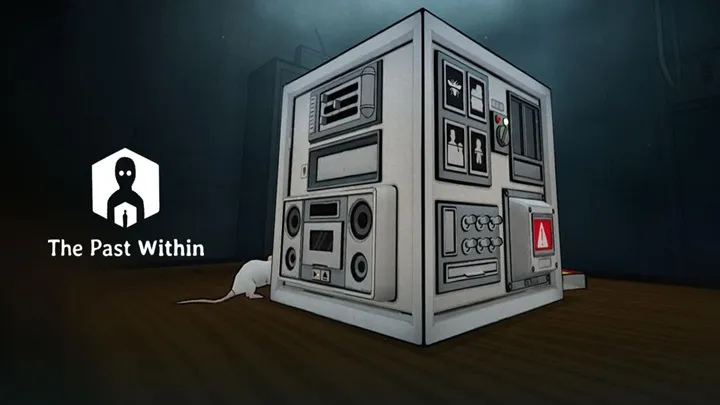


The Past Within is a unique cooperative puzzle adventure developed by Rusty Lake that challenges two players to work together across different timelines. As a critically praised hot game, it blends mystery, surreal storytelling, and innovative two-player mechanics into a deeply engaging experience. Unlike traditional puzzle games, progress depends entirely on communication and shared understanding.
This in-depth guide explains how to play The Past Within, understand its dual-world structure, solve puzzles effectively, and appreciate its narrative depth. Whether you are a longtime Rusty Lake fan or a newcomer, this hot game offers an unforgettable cooperative journey.
1. The Core Concept of The Past Within
At its core, The Past Within is built around the idea of two realities existing simultaneously. One player experiences the past, while the other explores the future.
This dual perspective is what makes The Past Within a standout hot game in cooperative puzzle design.
Foundational Design
- Two-player mandatory cooperation
- Separate but connected environments
- Shared puzzle solutions
Narrative Structure
Both timelines influence each other constantly.
2. Why The Past Within Is a Hot Game
The success of The Past Within comes from its originality. Few games require players to communicate as deeply and consistently.
This focus on cooperation over individual skill makes it a hot game for puzzle and story-driven fans.
Reasons for Popularity
- Innovative co-op mechanics
- Strong mystery narrative
- Minimalist yet eerie art style
Player Experience
No single player can succeed alone.
3. How to Get Started in The Past Within
Many players ask how to begin without confusion. The game starts by assigning each player a timeline.
Clear communication from the very beginning is essential.
Getting Started Tips
- Decide who plays Past and Future
- Use voice or text chat
- Describe everything you see
Early Mistakes to Avoid
Never assume your partner sees the same thing.
4. Dual Perspectives: Past vs Future Gameplay
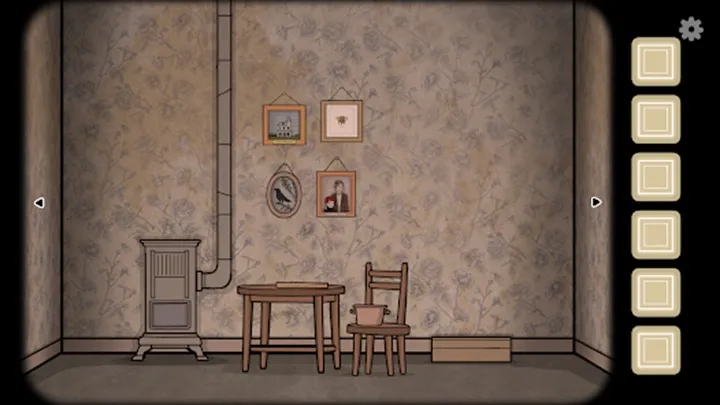
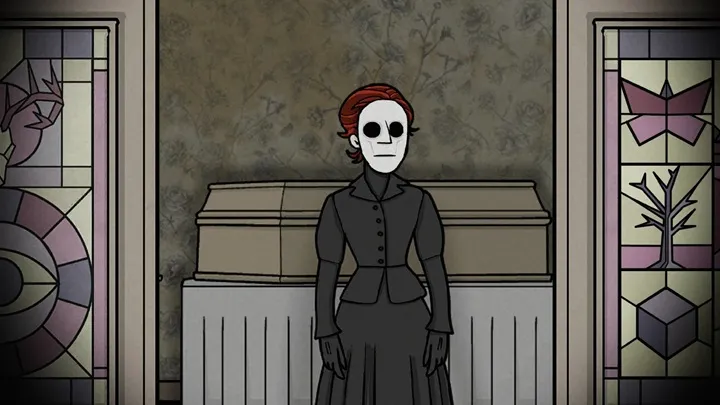
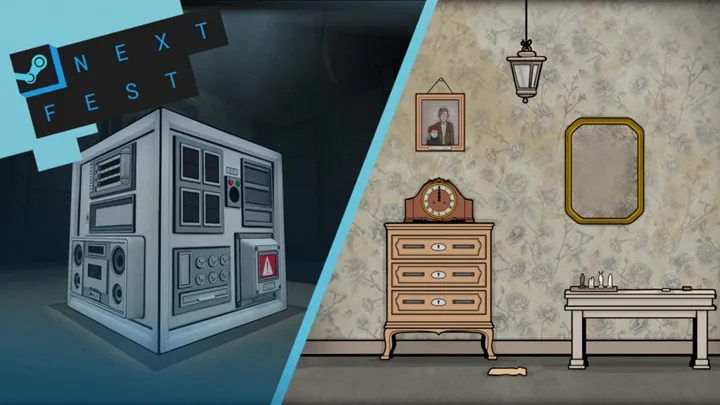
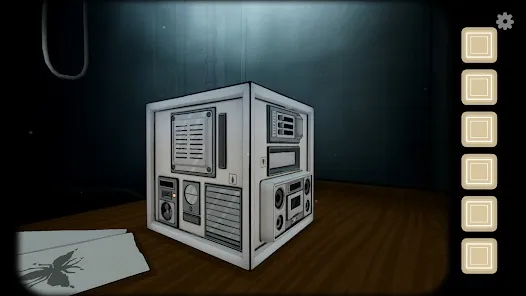
Each timeline in The Past Within offers different visuals, mechanics, and clues. The Past focuses on machinery and symbols, while the Future emphasizes abstract and technological elements.
Understanding how to interpret your environment helps your partner solve their puzzles.
Timeline Differences
- Past: mechanical, historical
- Future: abstract, symbolic
Perspective Balance
Both roles are equally important.
5. Puzzle Design and Logical Thinking
Puzzles in The Past Within are layered and interconnected. A single clue in one timeline may unlock progress in the other.
Learning how to think collaboratively is the key challenge.
Puzzle Characteristics
- Symbol matching
- Sequence logic
- Pattern recognition
Cooperative Problem Solving
Explain clues clearly and patiently.
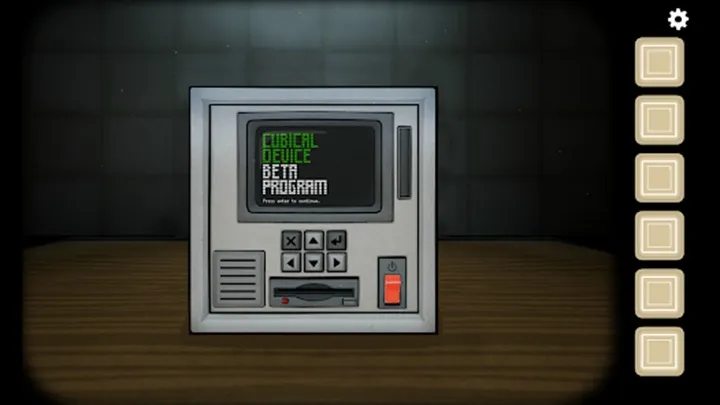
6. Communication as a Core Mechanic
Unlike most games, communication is not optional in The Past Within. It is a core gameplay system.
This reliance on teamwork is why the game feels fresh and emotionally engaging as a hot game.
Communication Tips
- Use consistent terminology
- Clarify shapes and symbols
- Repeat information when needed
Shared Language
Create simple names for symbols.
7. Storytelling, Lore, and Atmosphere
The Past Within continues Rusty Lake’s tradition of cryptic storytelling. The narrative unfolds through visuals, symbols, and environmental clues.
Understanding how to piece together the story requires attention and interpretation.
Narrative Elements
- Environmental storytelling
- Recurring Rusty Lake themes
- Symbolic imagery
Psychological Mystery
The story lingers long after completion.
8. Replayability and Alternate Paths
Although the core story remains the same, The Past Within encourages replay. Players can switch timelines to experience the full picture.
This replayability enhances its value as a hot game.
Replay Features
- Role swapping
- Deeper story understanding
- Missed clues
Complete Perspective
Both timelines matter equally.
9. Emotional Impact and Player Connection
Playing The Past Within often creates a strong emotional bond between players. Solving puzzles together builds trust and shared memory.
This emotional layer elevates the game beyond standard puzzle experiences.
Emotional Strengths
- Shared discovery
- Cooperative tension
- Mutual achievement
Human Connection
The game rewards teamwork emotionally.
10. The Future of Cooperative Puzzle Games
The Past Within sets a new standard for cooperative puzzle storytelling. Its success may inspire more games focused on communication-driven gameplay.
As a hot game, it proves that innovation does not require large budgets.
Industry Influence
- Communication-first design
- Narrative-driven co-op
- Minimalist storytelling
Lasting Legacy
It changes how co-op puzzles are designed.
Conclusion
The Past Within is a remarkable hot game that transforms communication into gameplay. By learning how to collaborate, describe environments clearly, and interpret symbolic storytelling, players unlock a deeply immersive cooperative experience.
For anyone seeking a meaningful, challenging, and memorable puzzle adventure, The Past Within stands as a powerful example of how games can connect people across time and perspective.