







The Spike Cross expands the competitive depth of The Spike volleyball series by introducing new characters, enhanced mechanics, and more structured team play systems. While the gameplay appears simple — spike, block, receive — long-term success depends on timing precision, stamina management, character synergy, and strategic rotation control.
This guide breaks down the game in chronological progression order, helping you move from beginner fundamentals to high-level competitive optimization.
1. Understanding Core Volleyball Mechanics
Before building advanced strategies, master the fundamentals.
The core gameplay loop consists of:
- Receive
- Set
- Spike
- Block
- Rotate
Precision timing determines effectiveness. Random button pressing will not produce consistent wins.
Timing Windows
Each action has a small timing window:
- Early spike → weak shot
- Late spike → blocked easily
- Perfect timing → maximum power
Practice consistency before focusing on advanced mechanics.
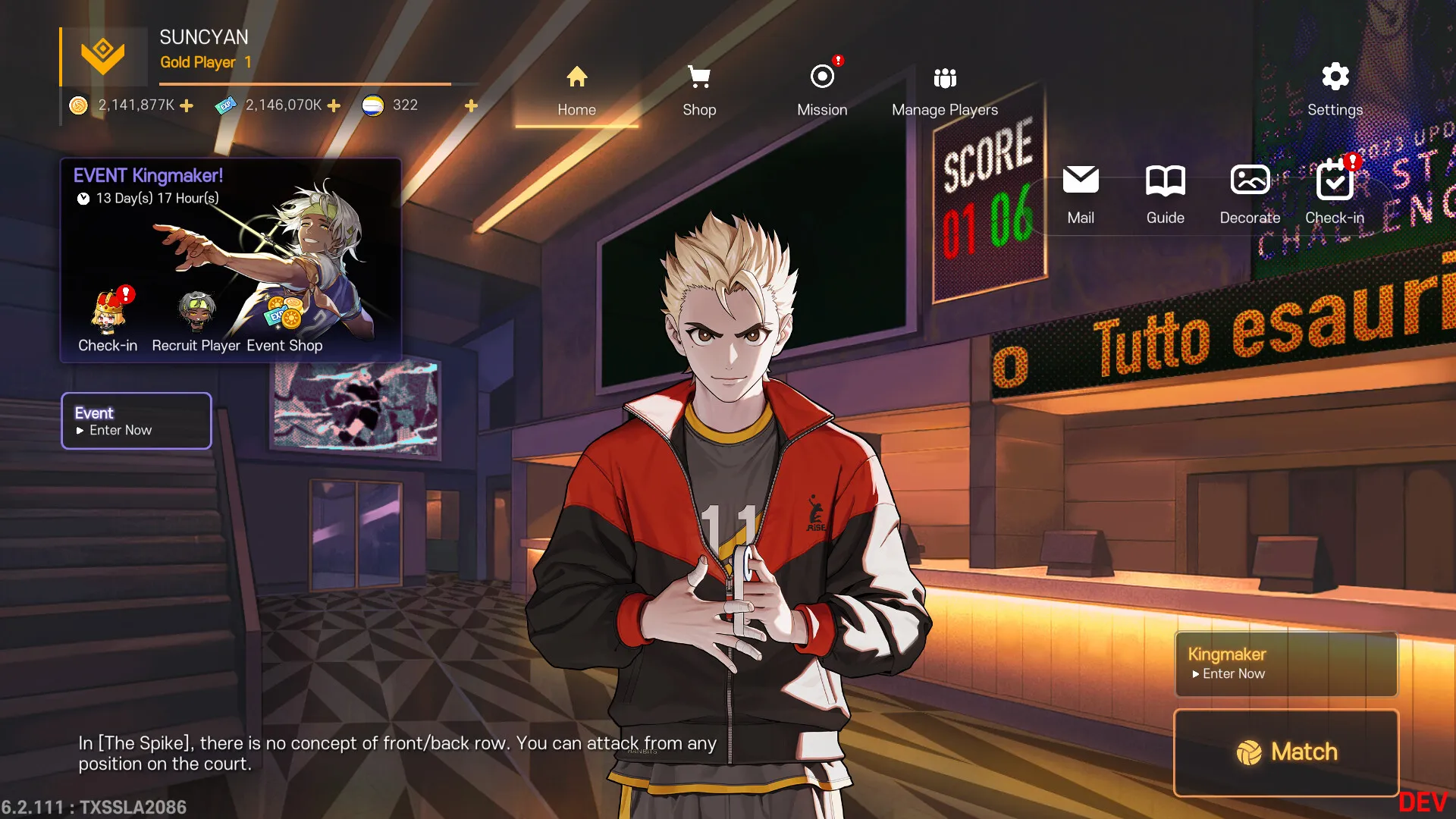
2. Building a Balanced Team Composition
Team structure defines your ceiling.
Core Roles
Typical formation includes:
- Setter
- Middle blocker
- Wing spiker
Each role has specific responsibilities.
Setter:
- Controls offensive tempo
- Determines spike angle options
Middle blocker:
- Defensive anchor
- Fast reaction specialist
Wing spiker:
- Primary damage output
- Finisher during rallies
Avoid stacking similar stat types.
3. Mastering Receive & Defense Early
Defense wins long matches.
Proper Positioning
Keep:
- Backline balanced
- Middle ready for block
- Setter slightly off center
Avoid clumping characters. Spread coverage improves reaction time.
Block Timing Strategy
Jump:
- Slightly after opponent’s spike motion
- Not at the start of their jump
Anticipation beats reaction.
4. Offensive Flow Control
Offense is not just about power — it's about unpredictability.
Vary Attack Angles
Alternate between:
- Cross-court spikes
- Straight-line spikes
- Soft touches
Predictable attack patterns are easily blocked.
Fake Rhythm Technique
Delay spike slightly in certain rallies to disrupt opponent block timing.
Rhythm control forces defensive hesitation.
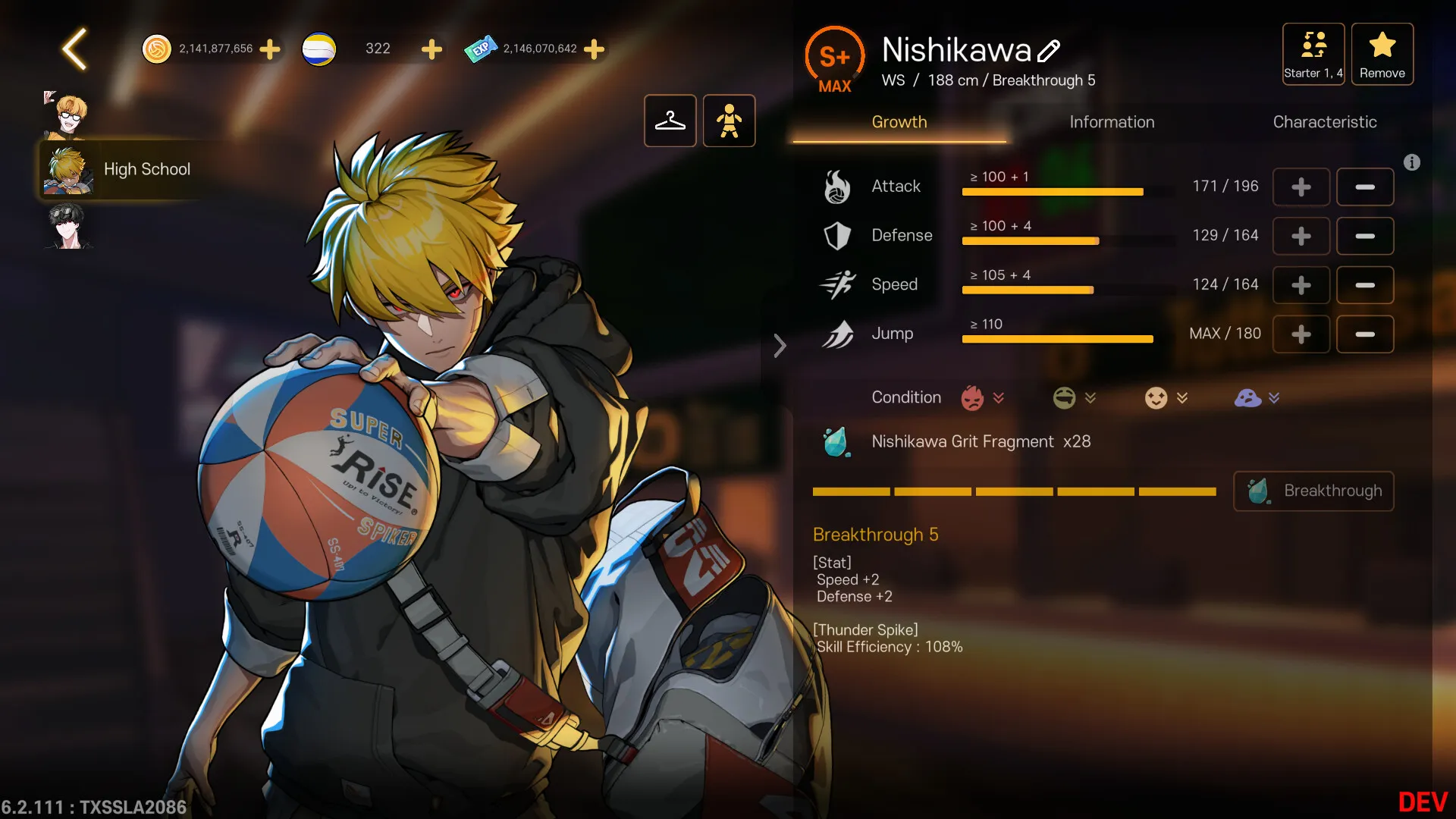
5. Character Progression & Stat Allocation
As you unlock and upgrade characters, resource allocation becomes crucial.
Prioritize Key Stats
For spikers:
- Jump power
- Spike strength
- Stamina
For setters:
- Precision
- Speed
- Recovery
Avoid over-investing in secondary stats early.
6. Stamina Management & Rally Control
Long rallies drain stamina quickly.
Avoid Wasteful Jumps
Do not:
- Jump unnecessarily
- Attempt impossible blocks
- Overcommit to every spike
Conserve stamina for key rally moments.
Rally Patience
Sometimes returning a moderate ball is better than forcing a risky spike.
Consistency outperforms aggression.
7. Reading Opponent Patterns
Higher difficulty opponents follow behavioral patterns.
Identify Repetition
Track:
- Favorite spike direction
- Jump timing
- Defensive tendencies
After 2–3 rallies, patterns become visible.
Counter Adaptively
Shift block direction slightly before opponent jump if pattern repeats.
Proactive defense increases success rate.
8. Advanced Combo & Momentum Control
Momentum swings determine match outcomes.
Consecutive Scoring Strategy
After scoring:
- Maintain formation
- Avoid risky experimentation
- Continue pressure
Do not become overly aggressive after gaining lead.
Disruption Strategy
If losing streak begins:
- Slow rally tempo
- Use safer plays
- Reset mental pacing
Momentum is psychological as much as mechanical.
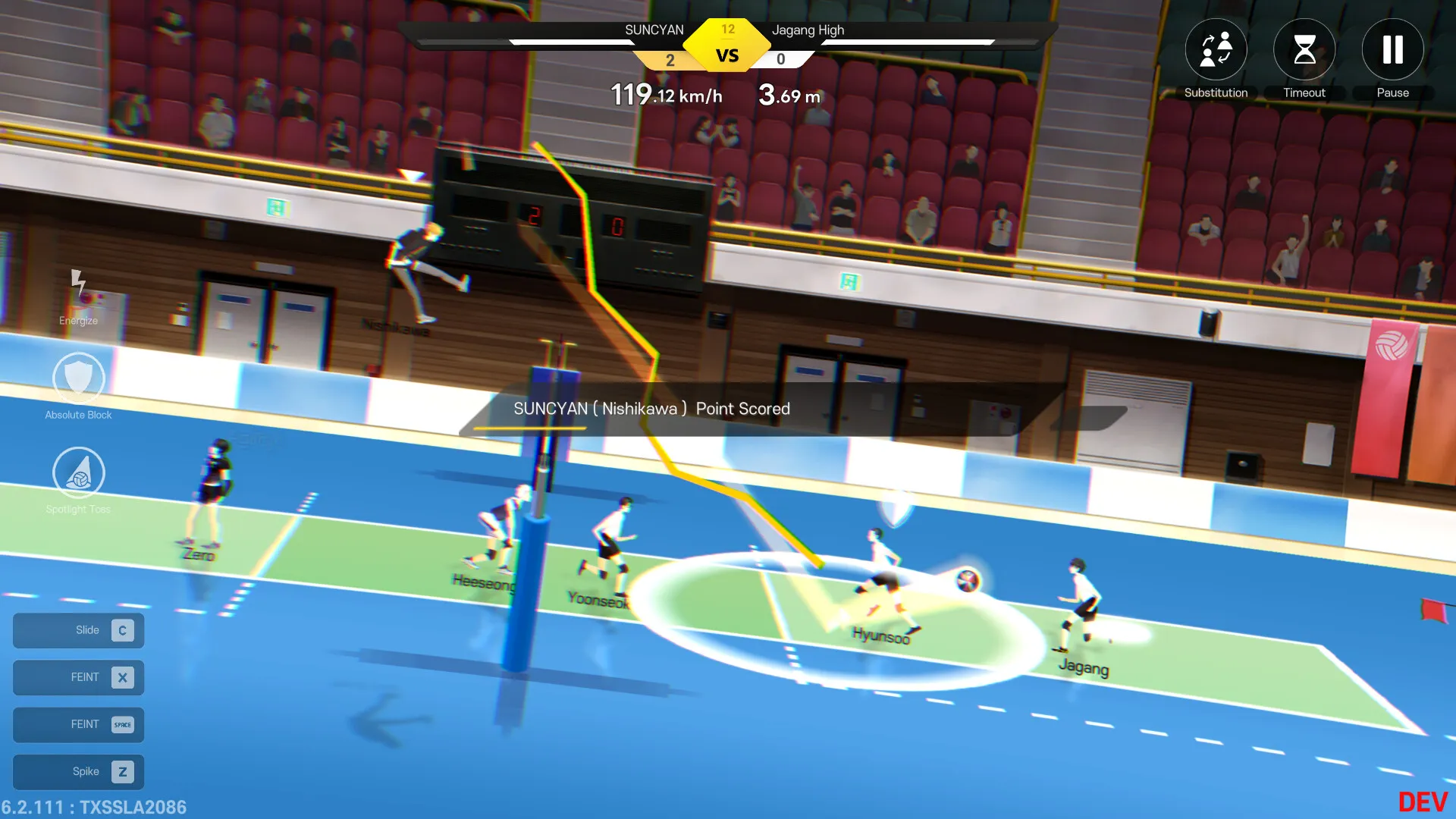
9. Competitive Mode Strategy
In ranked or tournament modes:
Specialize in One Playstyle
Choose either:
- Aggressive fast spikes
- Defensive endurance play
Switching styles mid-match reduces efficiency.
Reduce Error Rate
Focus on:
- Minimizing unforced errors
- Avoiding net violations
- Maintaining receive accuracy
Low-error gameplay climbs ranks steadily.
10. Late-Game Optimization & Mastery
High-level matches demand refined execution.
Micro-Timing Adjustments
Small improvements:
- Jump 0.1s later
- Spike slightly off-angle
- Block anticipating cross
These adjustments separate advanced players from casual ones.
Maintain Mental Discipline
Avoid tilt:
- Missed spikes happen
- Lost rallies are normal
- Stay structured
Consistency under pressure defines elite performance.
Common Beginner Mistakes
- Overusing power spikes
- Ignoring stamina
- Poor defensive spacing
- Jumping too early for blocks
- Neglecting setter positioning
Correcting these accelerates improvement.
Conclusion
The Spike Cross rewards timing precision, strategic rotation, stamina discipline, and adaptive pattern reading. While the controls are simple, mastery requires structured decision-making and controlled aggression.
Approach matches methodically: build balanced teams, conserve stamina, vary offense, and anticipate opponent behavior. With discipline and repetition, your win rate will increase steadily.